Virtual Roundtable: The Crisis in Nagorno-Karabakh
Event date
Speakers
- Carey CavanaughAmbassador (Ret.) and Professor, University of Kentucky Patterson School of Diplomacy and International Commerce
- Olesya VartanyanSenior Analyst for the South Caucasus, International Crisis Group
Presider
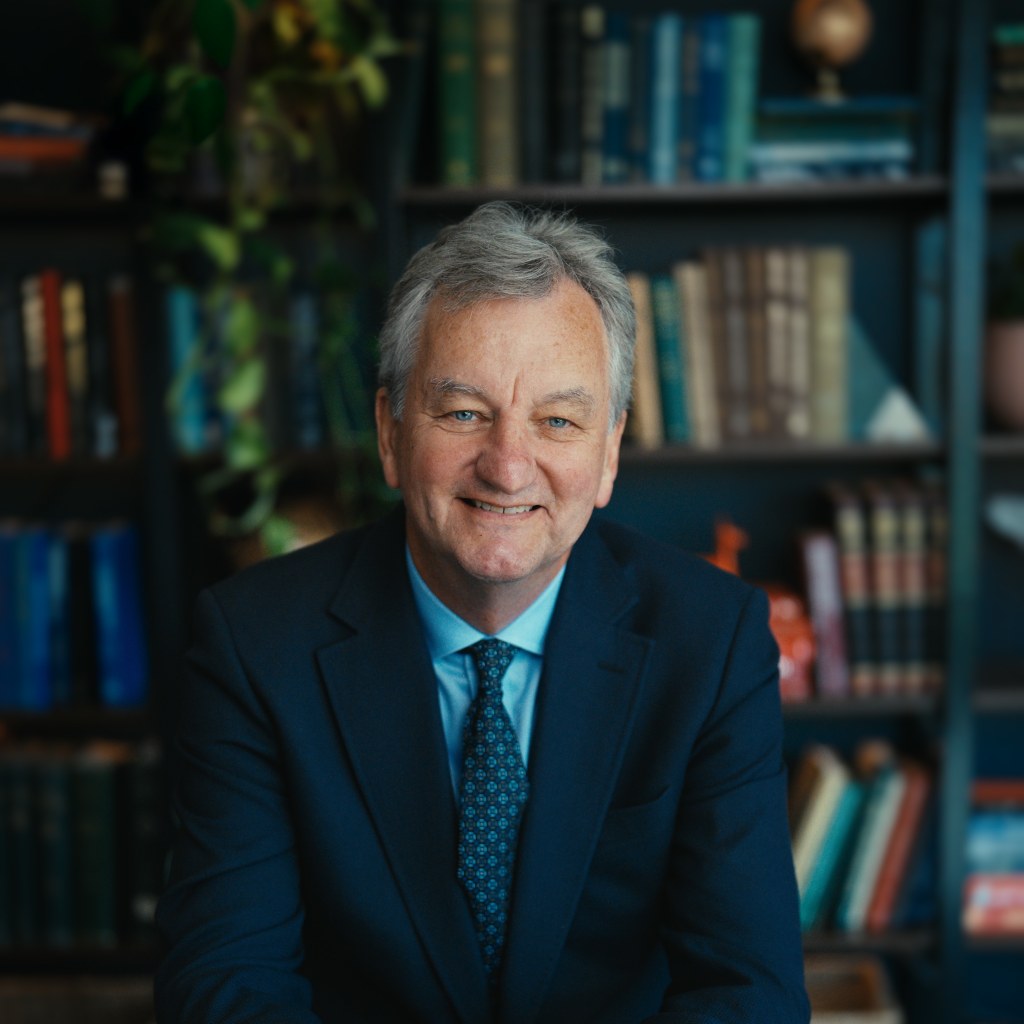
![]() Paul B. StaresGeneral John W. Vessey Senior Fellow for Conflict Prevention and Director of the Center for Preventive Action, Council on Foreign Relations
Paul B. StaresGeneral John W. Vessey Senior Fellow for Conflict Prevention and Director of the Center for Preventive Action, Council on Foreign Relations
In late September 2020, fighting broke out between Armenia and Azerbaijan over the disputed enclave of Nagorno-Karabakh. Although Russia has since brokered a cease-fire, the situation remains very tense and volatile. There are numerous ways the crisis could escalate and become an even larger threat to regional peace and security. Please join our speakers, Ambassador (Ret.) Carey Cavanaugh, professor at the University of Kentucky Patterson School of Diplomacy and International Commerce, and Olesya Vartanyan, senior analyst for the South Caucasus region at the International Crisis Group, to discuss why this conflict matters for the United States and what policy options are available to defuse the crisis.
This meeting is made possible by the generous support of the Carnegie Corporation of New York.